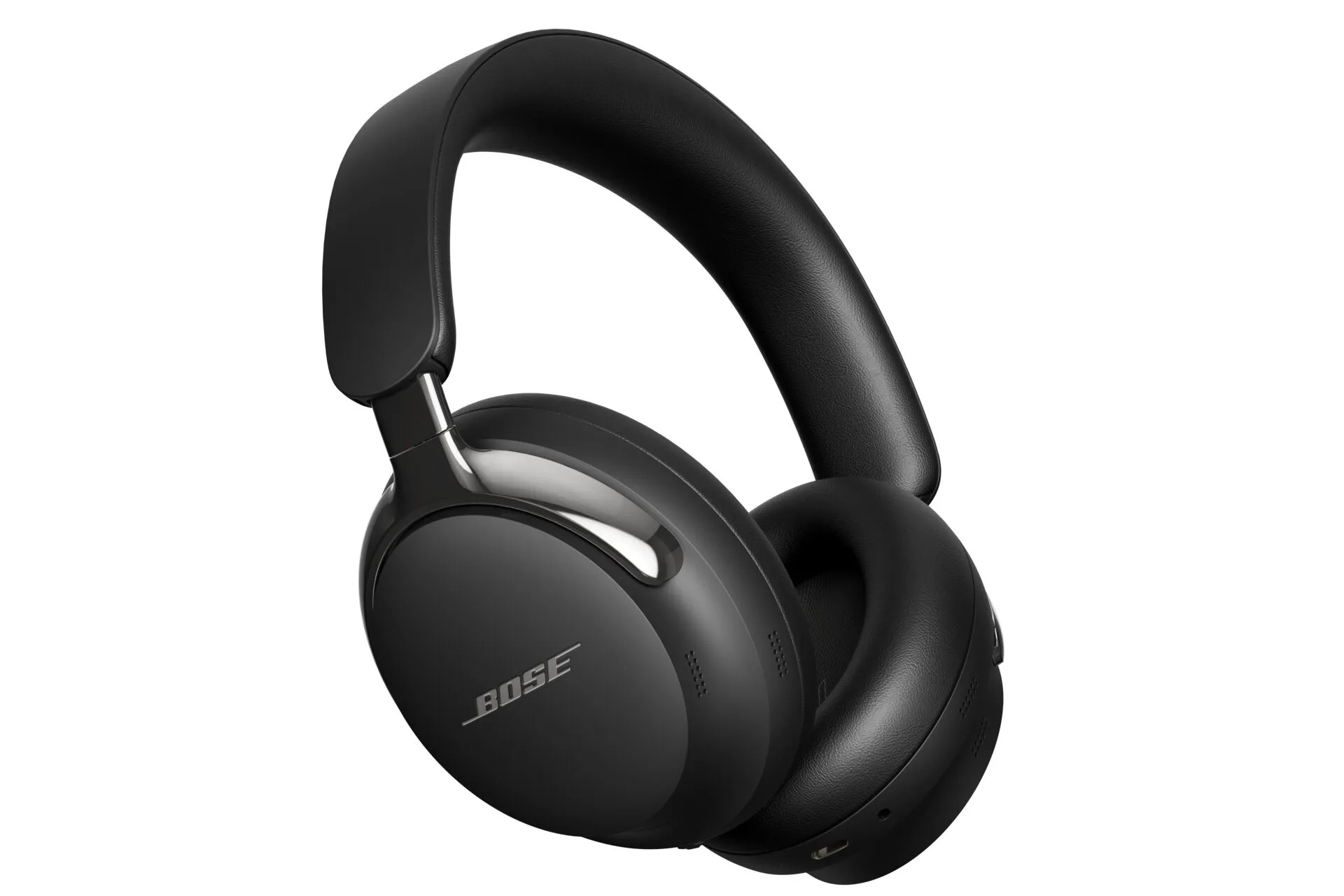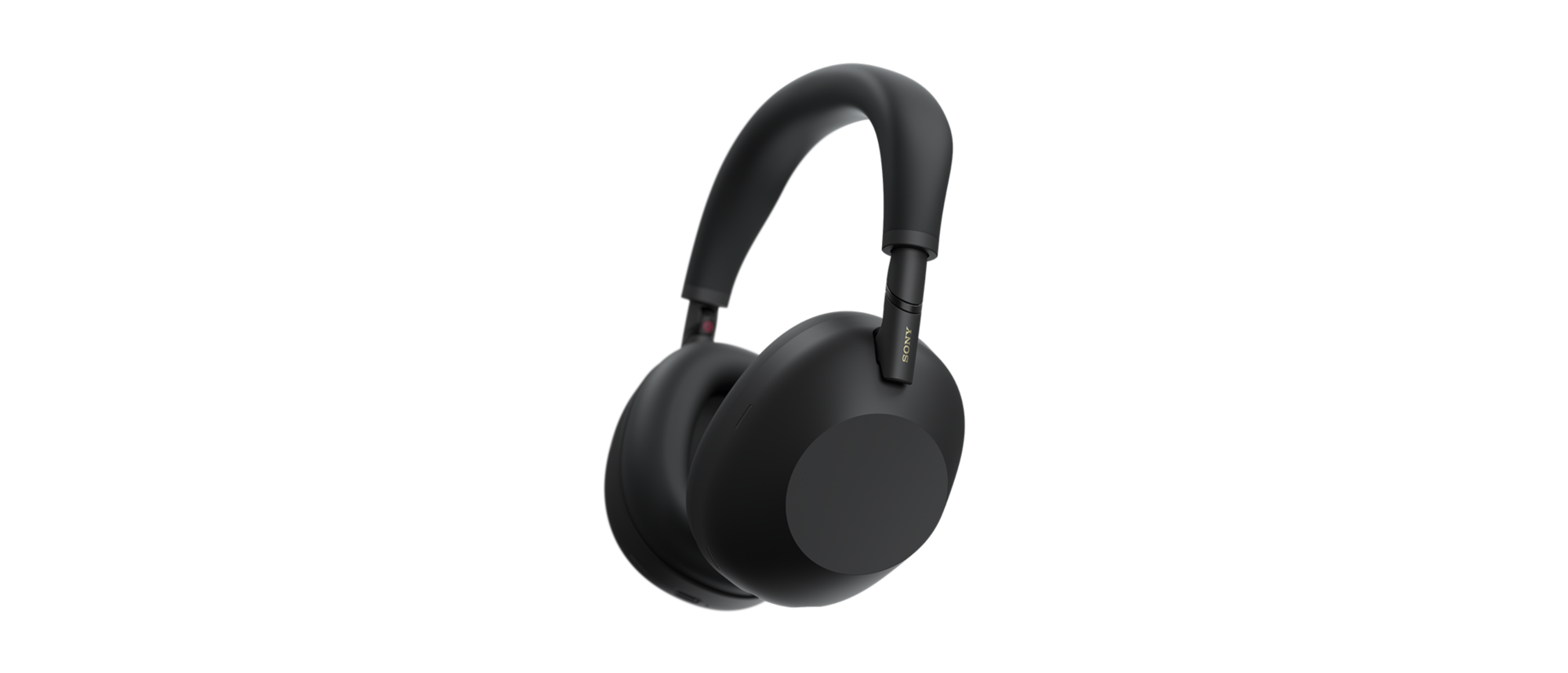
Start with where you listen and what you connect to. A specification sheet can narrow your options, but fit, sound preferences, and the shop's return policy still deserve your attention.
Start with your actual day
Write down the places you listen most: a train, a shared office, or a quiet room. Noise control may be useful in the first two; connection options may matter more at a desk. There is no need to buy every feature just because it appears on a box.
Check the connection, not just the version
Match the headphones to your phone and computer. Sony's XM6 lists LDAC and LC3 alongside SBC and AAC; a codec must also be supported by the source device to be useful. Bose's second-generation QuietComfort Ultra offers USB-C audio as a digital wired alternative. Decide which of those options you will actually use.
Read the battery conditions
Manufacturer battery claims are measured in specific modes. Sony quotes different durations with noise cancellation on and off; Bose quotes a lower duration when Immersive Audio is in use. Keep those conditions attached to the number. They are not the results of a shared independent test.
Make room for the fit test
Specifications do not establish long-session comfort. If possible, try a pair with your usual glasses and check clamp pressure, ear-pad space, and controls. If ordering online, read the return terms first. Neither model here should be treated as a waterproof workout headphone.
Before you buy
- My phone or computer supports the connection I want.
- The battery claim matches the listening mode I will use.
- I have checked the exact model generation and return terms.
This is research-based buying advice. The reviews below include manufacturer sources, version notes and image credits.